Choose the right OpenAI surface
Separate engineering enablement with Codex from product development with the API, then connect them where the workflow benefits.
Hands-on training for teams using Codex to improve engineering work and the OpenAI API to build reliable AI products and agents.
Separate engineering enablement with Codex from product development with the API, then connect them where the workflow benefits.
Design model interactions, tools, state and structured outputs as an application contract rather than a collection of prompts.
Use tools, handoffs, guardrails and tracing with explicit autonomy, approval and failure boundaries.
Turn representative examples into repeatable evaluations for quality, safety, latency and cost decisions.
Codex and the OpenAI API solve different parts of the delivery problem. The programme makes that boundary explicit.
For development teams using Codex across the app, terminal, IDE, cloud and remote environments with repository context and review.
For application teams integrating current OpenAI models, tools and agent workflows into production systems.
Use Codex deliberately and build API integrations that remain testable, reviewable and maintainable.
Make sound decisions about models, state, tools, identity, data controls, observability and operational ownership.
Connect platform access and enablement to safe delivery practices, measurable quality and adoption outcomes.
The final agenda is matched to your development environment, application architecture and enterprise controls.
Choose the right product surface and architecture for the team and task.
Turn an individual coding assistant into a controlled repository practice.
Build a clear application contract around model input, output and state.
Coordinate tools and specialised responsibilities without hiding system behaviour.
Use the right interaction mode when text alone is not the product experience.
Create a repeatable path from representative examples to controlled production change.
We scope the cohort, product surfaces, languages, repositories and data constraints before deciding how deep the programme should go.
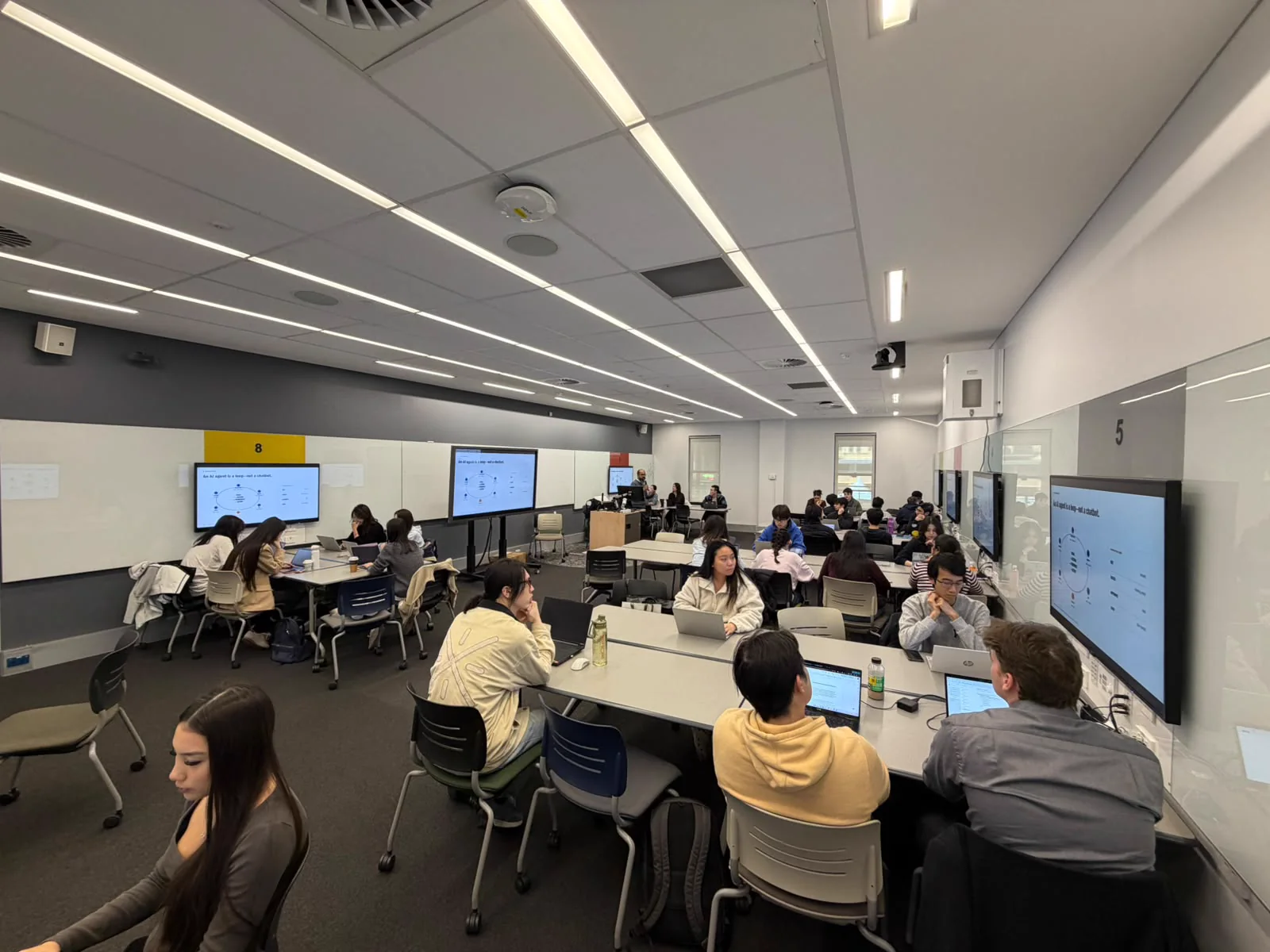
Fedorai founder Arafat Tehsin is an applied AI leader, solution architect, Microsoft MVP in AI and international speaker. The programme connects current OpenAI capability to the architecture, evaluation and operating decisions required in real delivery.
About Arafat and FedoraiThe focused programme typically runs for two to three days. Duration depends on whether the priority is Codex enablement, API and agent development, or a connected programme covering both.
It can. The final agenda is scoped around the team. A development organisation may combine Codex workflows with API architecture, while another cohort may go deeper on only one surface.
No prior OpenAI platform experience is required, but the technical modules assume practical software development experience. We confirm prerequisites, languages and environment access before the workshop.
Private engagements can adapt exercises to your codebase, architecture or business scenario where access, confidentiality, data protection and workshop setup permit.
Yes. Relevant modules can cover projects and access, application state, retention choices, data residency considerations, tool permissions, approval boundaries and evaluation evidence. The programme does not replace legal or compliance advice.
No. The programme is designed around practical engineering capability, product delivery and enterprise operation rather than preparation for a certification exam.