Define a bounded job
Turn a broad agent idea into a specific user, task, decision boundary and measurable operating outcome.
From a bounded business task to an evaluated, integrated and operable agent system, with your team able to understand what it inherits.
Turn a broad agent idea into a specific user, task, decision boundary and measurable operating outcome.
Treat models, context, data, tools, state, identity and user experience as one architecture rather than isolated components.
Use representative scenarios, traces and evaluations to expose failure modes before the agent reaches wider use.
Build deployment, monitoring, documentation and knowledge transfer into the engagement, not into a later rescue phase.
The work can begin before architecture exists or after a prototype has exposed where production becomes difficult.
For teams with a valuable workflow and a clear need, but no settled agent architecture or delivery approach.
For teams that have validated an idea but need help with reliability, security, observability, scale or maintainability.
Shape an agent around the real work, users and service outcome instead of around a technology demonstration.
Add specialist agent architecture and delivery capacity while keeping the system understandable and maintainable.
Establish identity, access, data, deployment and monitoring boundaries that can survive production use.
The engagement is tailored to the scenario, but the delivery lens stays end to end.
Define the work, user and operating boundary before choosing a model or framework.
Give the system the right information without turning every source into uncontrolled context.
Connect useful action with explicit contracts, permissions and failure handling.
Choose the simplest coordination pattern that supports the intended work.
Make quality and risk visible through repeatable evidence.
Ship with the technical and organisational pieces needed to operate the result.
A short discovery establishes the workflow, data, tools, identity, operational risk and handover expectations before delivery depth and timing are committed.
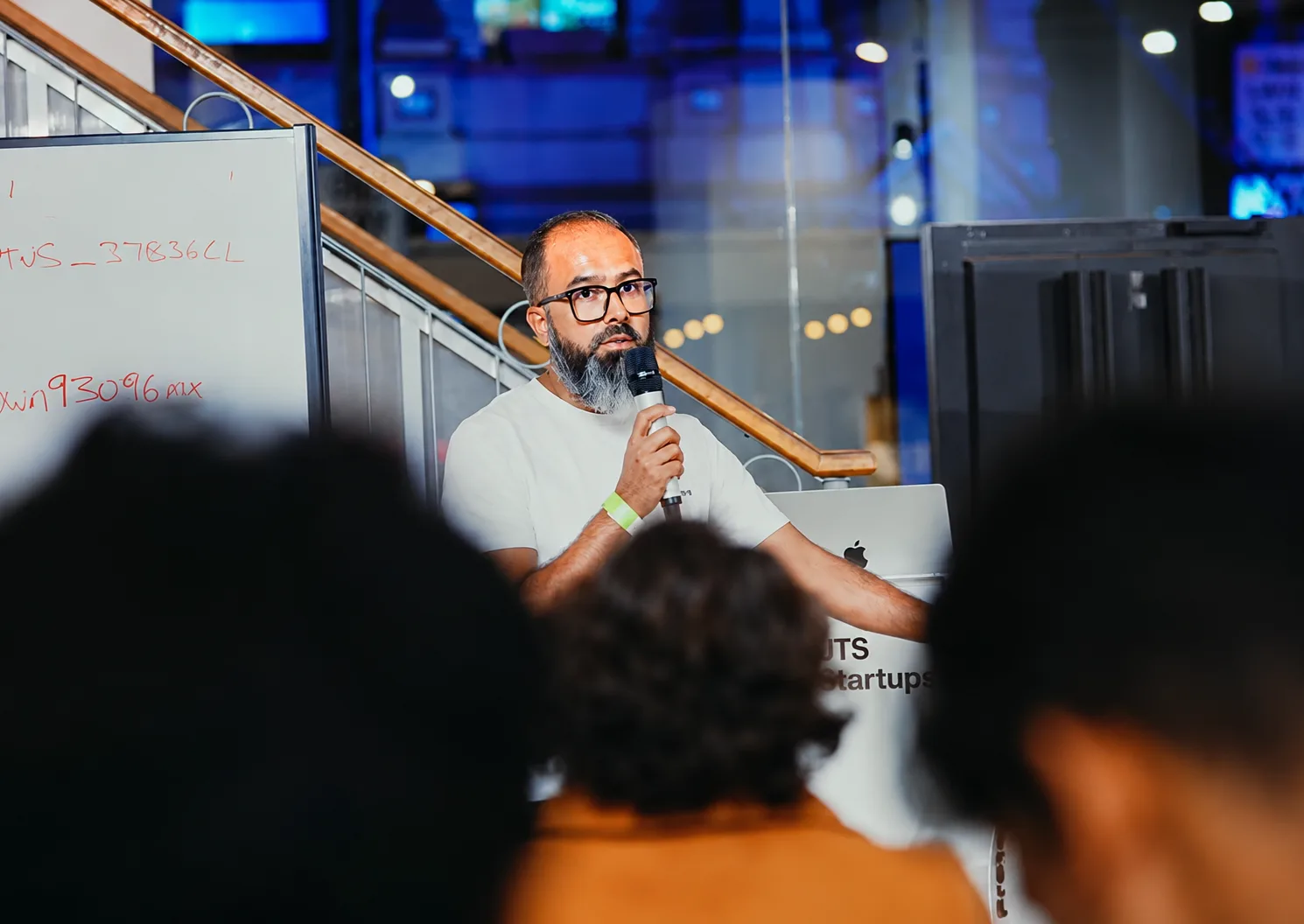
Fedorai founder Arafat Tehsin brings more than a decade of software delivery, solution architecture and applied AI experience. The work connects modern agent capability to the integration, security, evaluation and handover decisions that determine whether a system lasts.
About Arafat and FedoraiEngagements can cover knowledge and research agents, internal workflow agents, customer or employee assistants, tool-using operational agents and multi-step agent workflows. We confirm the task, users, data and action boundary before recommending an architecture.
No. Technology choices are made against the scenario, existing estate, security requirements, team capability and operating constraints. The engagement may use OpenAI, Microsoft, open-source frameworks or an appropriate combination.
Yes. A focused review can identify architecture, evaluation, security, integration, observability and production-readiness gaps, then define or implement the highest-priority improvements.
Integration is a core part of the architecture where the use case requires action or current business data. Feasibility depends on the available APIs, identity model, permissions, data quality and acceptable operational risk.
Source ownership, hosting, documentation, support and handover are agreed during scoping. Fedorai engagements are designed to transfer understanding into the client team rather than leave an opaque system behind.
Timing depends on the scenario, integrations, data readiness, security review and production expectations. A discovery or architecture review can be short and focused; a production build is estimated after the operating boundary is understood.